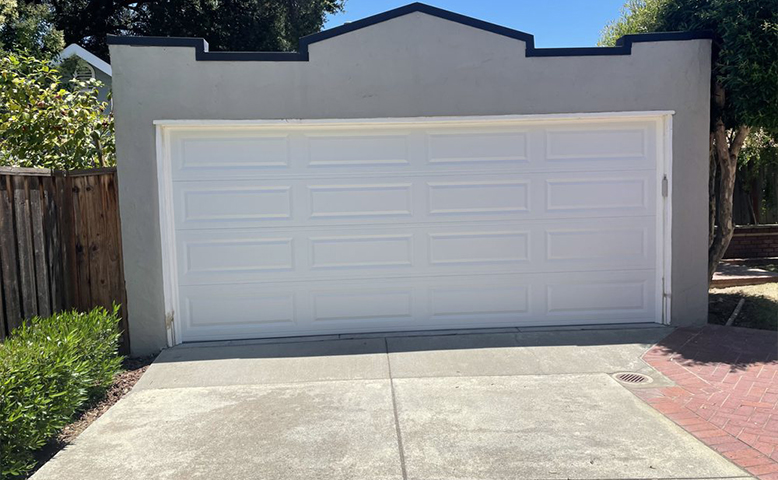
A loud garage door and gates can turn a normal morning into a rude wake-up call. You press the remote, and the whole house hears the rattle, groan, and bang. It may sound like “just noise,” but it often points to real wear. Loose parts, tired rollers, or a door that is not balanced can keep getting worse. Some fixes are small, like tightening bolts or adding lube. But if the door is old, bent, or poorly fitted, the noise can come right back. A new garage door or gate installation can resolve the noise issue at the source, while also making the door safer and smoother to use.
What That Loud Sound Is Telling You
Garage doors and gates make noise for a reason. The sound is a clue about what is happening on the track, on the rollers, or inside the opener system. A grinding sound can mean metal parts are rubbing. A sharp bang can mean a spring or cable is under stress. A steady rattle can mean fasteners are loose. If you ignore the sounds, you may end up with a stuck door or a broken part when you need the door most.
Common noise types and what they may mean:
Rattle or shake: loose hinges, loose track bolts, or worn rollers
Squeal: dry rollers, dry hinges, or dry bearings
Grinding: track misalignment, damaged roller, or bent track
Thump or bang: door out of balance, cracked roller, or spring issues
Humming opener with no movement: door too heavy, spring failure, or jam
If the door is noisy every time, not just once in a while, it is worth checking soon.
Why Old Hardware Often Gets Loud Fast
Even a strong garage door and gates has many moving parts. Over time, small changes add up. The track can shift a little. Rollers can wear down. Hinges can loosen. When parts no longer line up well, the door rubs, shakes, and makes noise. The weather also plays a role. Heat and cold can change how metal fits and moves. Dust and dirt can build up in tracks, which makes rollers bump instead of glide.
A few technical details that affect noise:
Roller type: Nylon rollers are usually quieter than steel rollers
Bearing wear: worn bearings cause squeals and rough rolling
Track spacing: tracks that are too tight can pinch rollers
Door balance: A balanced door should stay near mid-height when lifted by hand
Opener force setting: too much force can cause jerks and bangs
If your door is over 10–15 years old, the noise can be a sign that several parts are tired at once.
Quick Checks You Can Do Before Replacing
Before you jump to a full replacement, do a few safe checks. First, watch and listen while the door moves. Stand inside the garage with the door closed, then open it. Look for wobbles, shaking, or spots where the door rubs. Keep fingers away from hinges and rollers.
Try these simple steps:
Tighten visible bolts on hinges and track brackets (do not adjust spring parts)
Clean the tracks with a dry cloth to remove grit
Lubricate hinges, roller bearings, and springs with garage-door lube (not heavy grease)
Check rollers for cracks, chips, or flat spots
Test balance: unplug the opener, lift the door halfway by hand, and see if it stays
If the door still shakes, slams, or sounds rough after basic care, the root issue may be bigger than a tune-up can fix.
When Repairs Stop Helping, Installation Wins
Sometimes you fix one noisy part, then another part starts acting up. That can happen when the whole system is worn. A door that is bent, warped, or heavy can stress the opener and hardware. If you keep patching it, you may spend money again and again while the noise returns.
New installation makes sense when:
The door panels are bent, rusted, or cracked
The door is hard to lift by hand, or it will not stay balanced
The tracks are damaged, or the door rubs even after alignment checks
You hear loud bangs often, or cables look worn
The opener struggles, stops, or reverses for no clear reason
A fresh install can reset everything: correct track placement, new rollers, new hinges, and a door that fits the opening cleanly.
How A New Door Cuts Noise At The Source
A new garage door and gates system can be much quieter because it starts with a good fit and new parts that move smoothly. Modern doors often use better rollers, improved track systems, and tighter panel joints. Insulated doors can also reduce vibration, which lowers sound. If your old door is a thin metal sheet, it can “drum” as it moves. A thicker, insulated door is often steadier.
Noise drops because of factors like:
New rollers and bearings that roll instead of scrape
Straight tracks that guide the door without bumps
Correct spring sizing so the door is balanced
Better panel build that reduces shaking and flexing
Proper opener match so the motor is not overworked
In short, a new install can remove the worn parts and the poor fit that cause repeated noise.
Key Parts That Make Doors Quiet Or Loud
To understand why installation matters, it helps to know the main parts that control sound. Many people blame the opener, but the door hardware is often the bigger issue. The opener only pulls; the tracks and rollers decide how smoothly the door moves.
Here are the key parts and how they affect noise:
Rollers: nylon rollers with sealed bearings can lower rattles and squeals
Tracks: dents or poor spacing can cause bumps and grinding
Hinges: loose hinges cause clacking and shaking
Torsion springs: correct spring strength keeps the door from slamming
Cables and drums: worn cables can snap or slip, causing sudden noise
Opener drive: belt drives tend to be quieter than chain drives (all else equal)
A full installation updates these parts together, so you get smooth motion as one system, not a mix of old and new parts fighting each other.
What Happens During A Proper New Installation
A quality installation is more than hanging a door. The installer measures the opening, checks headroom and side room, and makes sure the tracks will sit straight. Springs are chosen based on door weight. This matters because springs do most of the lifting work. A door that is balanced needs less force, so it runs smoothly and quietly.
Typical steps include:
Removing the old door, old tracks, and worn hardware
Setting new vertical and horizontal tracks square to the opening
Installing new rollers, hinges, and brackets with correct spacing
Mounting springs, drums, and cables, then setting proper tension
Testing the door balance by hand before connecting the opener
Setting opener limits so the door stops softly at open and close
After installation, the door should move with a steady speed, without shaking or harsh stops.
Smart Choices That Keep The Door Quiet
Once you choose a new door, a few smart options can help keep it quiet for years. You do not need fancy upgrades, but you do want parts that reduce friction and vibration. Also, simple care twice a year can prevent squeals and rattles.
Good choices to ask about:
Nylon rollers with sealed bearings
An insulated door if you want less vibration and less metal “ring.”
A belt-drive opener, if you are replacing the opener too
New bottom seal and side seals to reduce shaking and drafts
Correct spring sizing for your door weight
Simple care steps:
Lubricate moving parts every 6 months
Keep tracks clean and free of grit
Listen for new sounds and fix them early
Test the balance once or twice a year (with the opener unplugged)
These steps help your new door stay smooth, steady, and quiet.
Conclusion: Quiet Starts With The Right Install A loud garage door and gates is not just annoying. It can be a warning that parts are worn, the door is unbalanced, or the system no longer fits well. Small fixes can help, but they do not always solve the main cause. A new installation can reduce noise by using fresh rollers, straight tracks, correct springs, and proper setup. If you want a door that opens smoothly without rattles and bangs, consider a new start. ELVTD Garage Doors and Gates offers garage door and gates installation services and can help you choose and install a quieter system that works well every day.