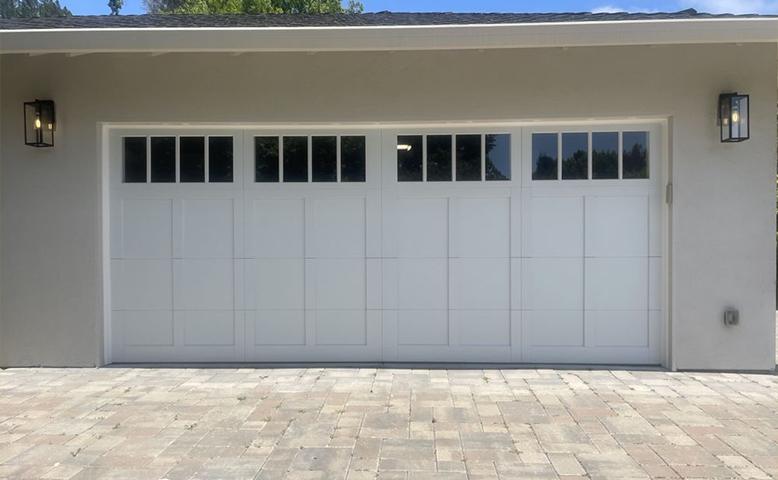
Garage doors and gates work hard every day. They lift, roll, and drop hundreds of times each month. Because of that, small problems can grow fast. Many people wait until the door gets stuck, makes a scary noise, or stops moving at all. That can lead to broken parts, damage to your car, or even injury. A garage door or gate is also one of the largest moving systems in your home, so safety matters. This article shares seven clear signs that you may need a new garage door and gates installation before a full failure happens. You will also get simple technical facts, quick checks you can do, and what to watch for next.
Loud Noises That Keep Getting Worse
A garage door and gates should not sound like a metal drum. Some noise is normal, but loud grinding, popping, scraping, or banging is a warning. Noise often means parts are wearing out or sitting out of line. If you ignore it, the door can jump the track or strain the opener.
Here are common technical causes:
Dry rollers or hinges: Steel rollers without bearings can get rough over time.
Worn bearings: Many doors have end bearings near the springs. When they wear, you may hear a rumble.
Track issues: A bent track can make the rollers scrape. Even a small bend can cause repeated rubbing.
Loose hardware: Vibration can loosen bolts on hinges and track brackets.
Quick check: with the door closed, look along both tracks. If you see dents, gaps, or shiny rub marks, the door is not rolling smoothly. If your door is older and noise keeps coming back even after basic service, a new installation can be the safer long-term fix.
Door Feels Heavy Or Hard To Lift
If the door suddenly feels heavy, do not force it. A door that feels “heavier than normal” often points to spring trouble. Springs carry most of the door’s weight. When they weaken, the opener has to pull harder, and that can burn out the motor or strip gears.
Simple technical facts:
Most home doors use torsion springs (mounted over the door) or extension springs (along the sides).
Springs are rated for a number of cycles. A “cycle” is one that opens and closes.
When a spring loses tension or breaks, the door can drop fast.
Easy test: pull the red emergency release (only when the door is fully closed), then lift the door by hand. If it feels very heavy or slams down, the spring system is not doing its job. Sometimes a spring swap is enough, but if the door is old, dented, or warped too, a new garage door and gates installation can save you from repeated repairs.
Door Moves In Jerks, Not Smoothly
A healthy garage door and gates moves in one steady motion. If it shudders, pauses, or jumps, something is off. This can damage the track, rollers, and opener over time. Jerky motion is also a safety risk because the door may not stop where it should.
What often causes it:
Worn rollers: Rollers can crack, flatten, or lose bearings.
Track misalignment: If the tracks are not parallel, rollers bind and then release.
Weak opener settings: Some openers have force settings that are too high or too low.
Door sections out of shape: On sectional doors, bent panels can “hinge” in odd ways.
Look for clues:
The door leans to one side while moving
The bottom seal drags harder on one side
You see gaps between the rollers and the track
If the door is badly out of shape, adjusting parts may not hold for long. A new door installed with fresh tracks, correct spacing, and new rollers can restore smooth movement and reduce strain on the opener.
Visible Rust, Cracks, Or Bent Door Panels
You can often spot failure before it happens. Rust, cracks, and bending are not just “looks.” They can weaken the door’s strength, change how weight is carried, and stress the hinges. Damage also makes the door harder to balance, which hurts the springs and opener.
Common damage patterns:
Rust at the bottom: Water pools near the floor and attacks the bottom panel first.
Cracked hinges or hinge areas: Metal fatigue can form cracks around screw holes.
Bent panels: A single hit from a car bumper can bend a panel and throw off alignment.
Rot on wood doors: Soft spots mean the door is losing structure.
Why it matters technically:
A door is designed to distribute weight across sections.
When one section weakens, other parts carry an extra load.
Hinges and rollers then wear faster, and the track can twist.
If you see repeated rust-through, spreading cracks, or big bends, repairs may only hide the problem for a short time. Replacing the door before it fails can prevent a sudden collapse or a door that jams halfway.
Opener Struggles, Reverses, Or Stops Often
Many people blame the opener first, but the door itself may be the real issue. The opener is meant to guide a balanced door, not drag a failing one. If the opener strains, stops, or reverses often, the system may be at its limit.
Key technical points:
Modern openers use safety sensors near the floor. If the door reverses, it might be sensing resistance.
Opener motors have internal thermal protection. If they overheat, they can shut off.
A door that is out of balance raises the required pulling force.
What to watch for:
The opener light blinks, and the door won’t close
The chain/belt looks tight and jerks during travel
The door reverses even when the sensor path is clear
You can clean sensors and check for simple blockage. But if the door is binding, warped, or too heavy, the opener will keep struggling. In many cases, a new garage door and gates installation (with proper balance and smooth travel) is the real fix, and it can extend opener life.
Gaps, Drafts, Or Water Getting Inside
A garage door and gates should seal close to the floor and frame. If you feel drafts, see daylight around the edges, or find water after rain, the door may be warped or no longer square. This can be more than a comfort issue. Water can rust parts, swell wood, and damage stored items.
Where gaps come from:
Worn bottom seal: Rubber seals crack and flatten over time.
Door warping: Heat, moisture, and age can bend panels.
Frame shifting: Homes settle, and the opening can move slightly.
Tracks out of line: A door that doesn’t sit right won’t seal right.
Simple checks:
Close the door and look for light around the edges
Place a thin paper near the seal and see if it pulls out easily
Check for watermarks along the bottom corners
You can replace weather seals, but if the door panels are warped or the door no longer fits the opening well, sealing fixes may not last. A new door installed correctly can restore a clean fit and help protect the garage from moisture.
Door Is Old, And Repairs Keep Piling Up
Sometimes the clearest sign is your repair history. If you keep fixing one part after another, the door may be near the end of its life. Older doors often have weaker insulation, outdated safety features, and parts that are harder to match.
A practical way to decide:
If you have had multiple service calls in a year, costs can add up
If the door needs panels, tracks, springs, and rollers, that’s most of the system
If the door is 15–25 years old (many are), wear is common
Technical reasons older doors fail more:
Metal fatigue in hinges and brackets
Panel joints loosen and twist
Springs lose strength, and balance changes
Insulation (if any) breaks down, making the door noisier and less stable
If repairs feel never-ending, installing a new door can be safer and simpler. A modern door with correct spring sizing, fresh hardware, and proper alignment often runs smoother and needs fewer fixes.
Conclusion A garage door or gate rarely fails without warning. Loud noises, heavy lifting, jerky movement, damage, opener trouble, gaps, and constant repairs are clear signs to act early. Replacing the door before a breakdown can prevent stuck mornings, damage, and safety risks. If you see two or more signs from this list, it’s smart to plan a replacement instead of waiting for a full stop. ELVTD Garage Doors and Gates can help you choose the right door and handle professional garage door and gates installation services so your system runs smoothly and safely.